OMHC
Services designed to decrease the prevalence and incidence of mental illness, emotional disturbance and social dysfunction in youth and adults.



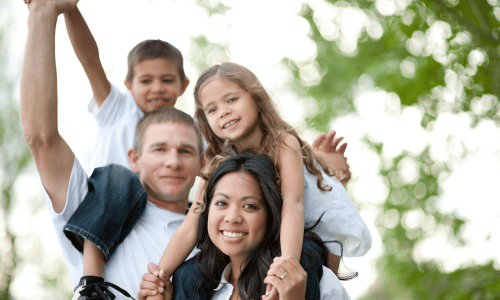

Children and adolescents can experience a range of behavioral health symptoms, including anxiety, depression, mood swings, difficulty concentrating, irritability, and behavioral problems. These symptoms can be caused by a variety of factors, such as biological, social, and environmental stressors.
Our holistic approach considers the individual’s unique circumstances and needs. Support may include therapy, medication management, family counseling, and skill-building interventions that promote positive coping strategies and social-emotional development. By addressing the root causes of these symptoms and providing targeted interventions, behavioral health services can help youth build resilience, improve their functioning, and enhance their overall well-being.
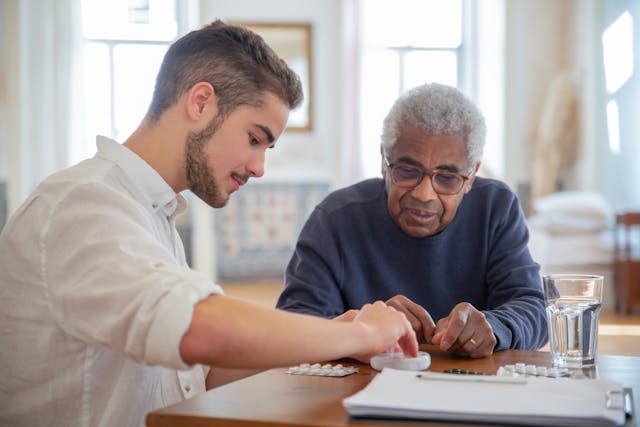
Through our therapy and counseling services, adult patients can gain meaningful insights into their challenges, develop healthy coping strategies, and improve their overall quality of life. They can also build a supportive relationship with their therapist or counselor, who can offer guidance, encouragement, and accountability throughout their journey to mental wellness.
Our care team supports adults with navigating depression, anxiety, stress, trauma, substance abuse, relationship problems, and life transitions. Progress is possible with a professional care team.
Strengthening the family and support unit is at the core of our care philosophy. We support our family patients in dealing with communication difficulties, conflicts between family members, changes in family dynamics due to life transitions or events, or coping with mental health or behavioral issues in one or more family members.
Our goal is to provide lasting outcomes by teaching effective communication skills, helping family members set healthy boundaries and expectations, and addressing underlying mental health or behavioral concerns. This can help to promote understanding, build stronger relationships, and enhance overall family functioning.

Services designed to decrease the prevalence and incidence of mental illness, emotional disturbance and social dysfunction in youth and adults.
Our program assists minors with psychiatric illnesses while providing their families with support and access to resources within the community.

For over 10 years, we’ve participated in State and administrative ESMH programs by supporting youth in education with assessment, prevention, case management, and treatment.

Designed to treat the whole person, not just the addiction, we offer a holistic and highly individualized substance abuse treatment program for youth and adults.
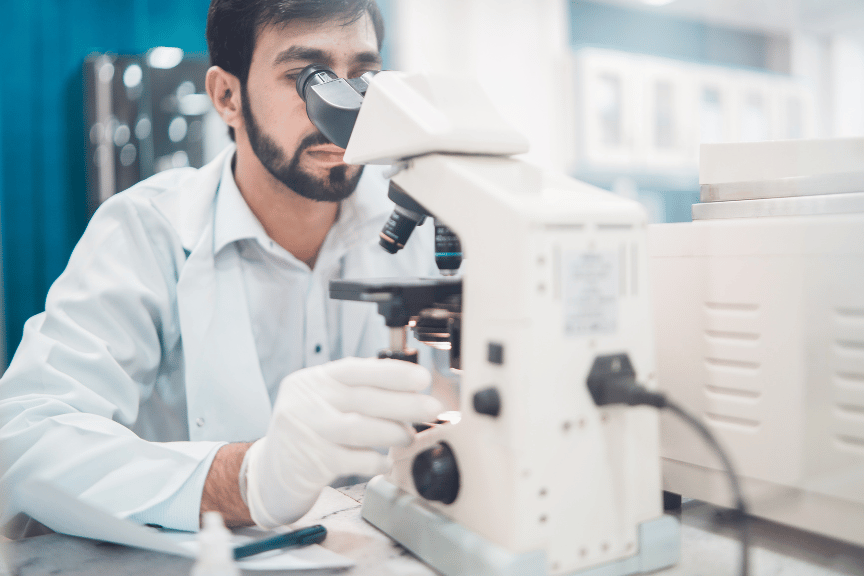
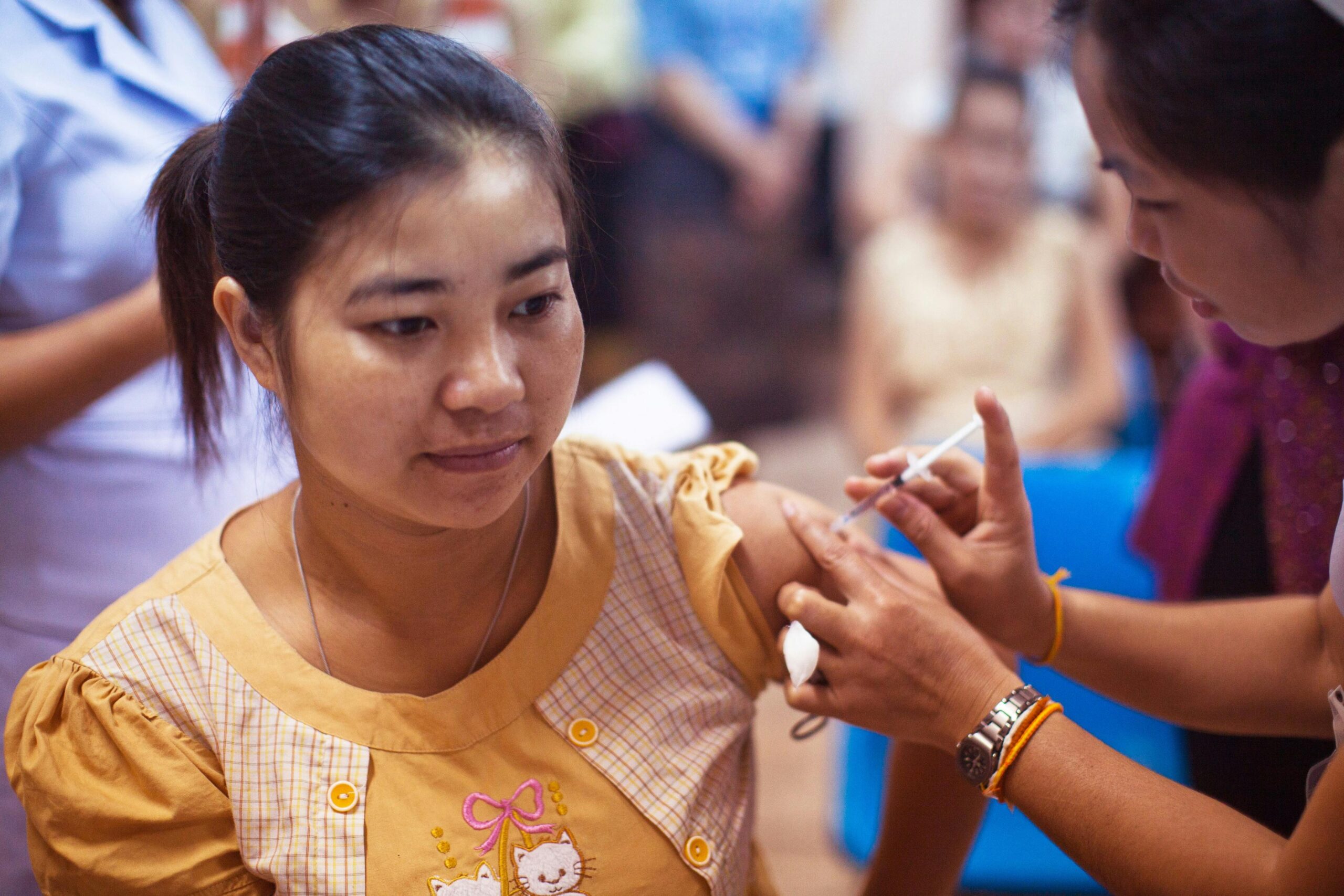
Our lab is a fully functioning PCR COVID-19 testing laboratory and is currently offering COVID-19 testing. We are proud to be accredited by CLIA (Clinical laboratory improvement amendments) and CAP (College of American Pathologist).
Designed to support and help stabilize acute symptoms and prevent hospitalization or ER visits for adults, children and adolescents. Our Psychiatric Day Treatment Program (PDTP) program also includes Partial Hospitalization Program (PHP) and and Intensive Outpatient Program (IOP).

To ensure every behavioral health need is met, we also provide other support services such as Psychiatric Rehabilitation (PRP), Health Homes and Case Management. We also offer consulting and advisory services to other healthcare organizations.